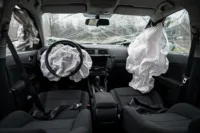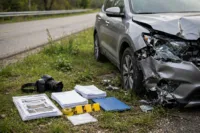
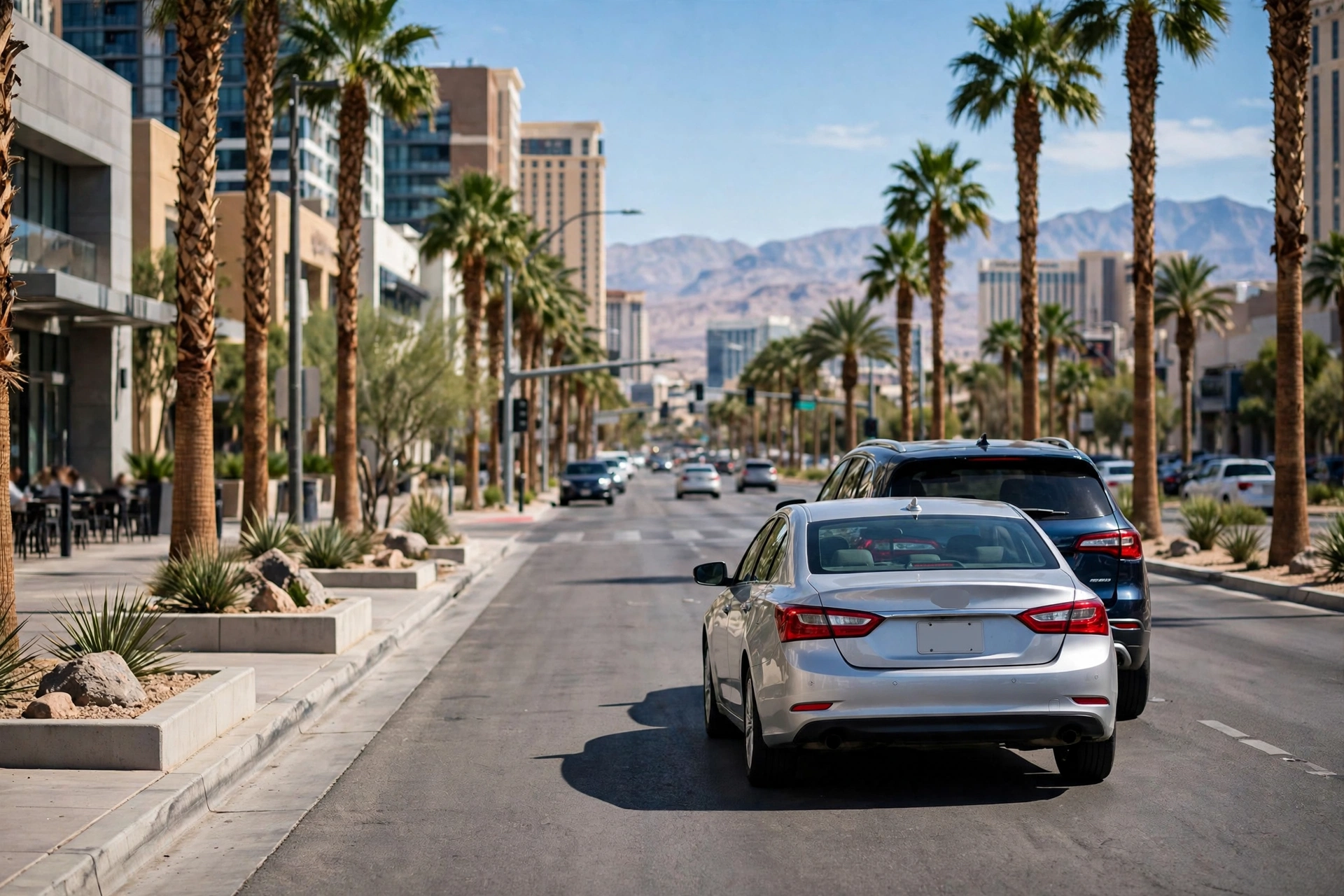
In a Nevada rear-end collision, the rear driver is often at fault, but not automatically and not always 100 percent. Nevada law at NRS 484B.127 requires drivers to keep a reasonable and safe following distance. If the rear driver was tailgating, distracted, or speeding, that usually makes the case. But the front driver can share fault too, for example by cutting into your lane suddenly or driving with broken brake lights.
The Following-Distance Rule
NRS 484B.127 says you must not follow another vehicle more closely than is reasonable and prudent for your speed, traffic, and road conditions. There is no fixed number of feet or car lengths in the statute for regular cars. The well-known 500-foot rule applies only to trucks following other trucks, not to everyday drivers. And there is no 2 or 3 second rule written into the law for cars either. What counts as safe depends on the actual conditions at the time.
Why the Rear Driver Is Usually Blamed
Rear-end crashes usually happen because the rear driver was not paying attention or was following too closely. Texting, looking at a phone, tailgating in Strip traffic, or speeding on the freeway all leave no time to stop when traffic slows. That is why the rear driver is the starting suspect in most of these cases.
When the Rear Driver Is NOT 100 Percent at Fault
The front driver can share the blame. Common examples include:
- Cutting into the lane in front of you with no room to spare
- Slamming on the brakes for no good reason
- Brake lights that do not work, so you get no warning
- Rolling backward at a red light or stop sign
In chain-reaction crashes, a middle driver can also share fault if they were following too closely themselves.
Common Injuries
Whiplash and neck injuries are the most common. Back injuries, concussions, and shoulder injuries are common too. These injuries sometimes feel minor on day one and get worse over the following days. See a doctor promptly, and follow the treatment plan.
A Real-World Example
A driver is stopped at a red light on Sahara Avenue when a pickup slams into the back of her car. The police report notes the pickup driver was looking at a phone. She develops neck pain the next morning and starts physical therapy. Fault is clear here: the rear driver was distracted and did not keep a safe distance under NRS 484B.127.
Now change one fact. The front car cut across three lanes to make the light and stopped inches ahead. Now fault may be shared, and Nevada's comparative fault rule decides how compensation is divided.
What to Do After a Rear-End Crash
1. Call the police and get a report. 2. Take photos of both cars, the damage, and the road. 3. Check whether the front car's brake lights work, and note it. 4. Get witness names and numbers. 5. See a doctor the same day if you can. 6. Do not admit fault or apologize at the scene.
How Insurance Companies Fight These Claims
Even in rear-end cases, insurers argue. They may say you stopped suddenly, that your injuries came from an old accident, or that you waited too long to treat. Keep your medical appointments, save your records, and let a lawyer handle the adjuster.
Related Reading
About the Author: admin